2017 — 2021
Big Island Abalone
2017 - 2021
Aquaculture Operations · Physical Product & Infrastructure
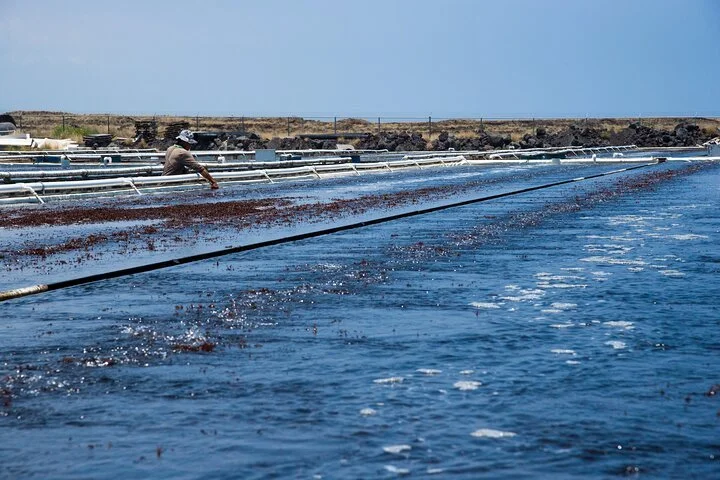
Big Island Abalone is a commercial abalone farm operating in open-ocean conditions on the Kona coast. The work here had nothing to do with software. It had everything to do with the fundamentals of product thinking: find the problem, scope the fix, ship it, measure what changed.
Three things I built or launched while I was there.
PRODUCT 1: 24/7 ONLINE ORDERING PLATFORM
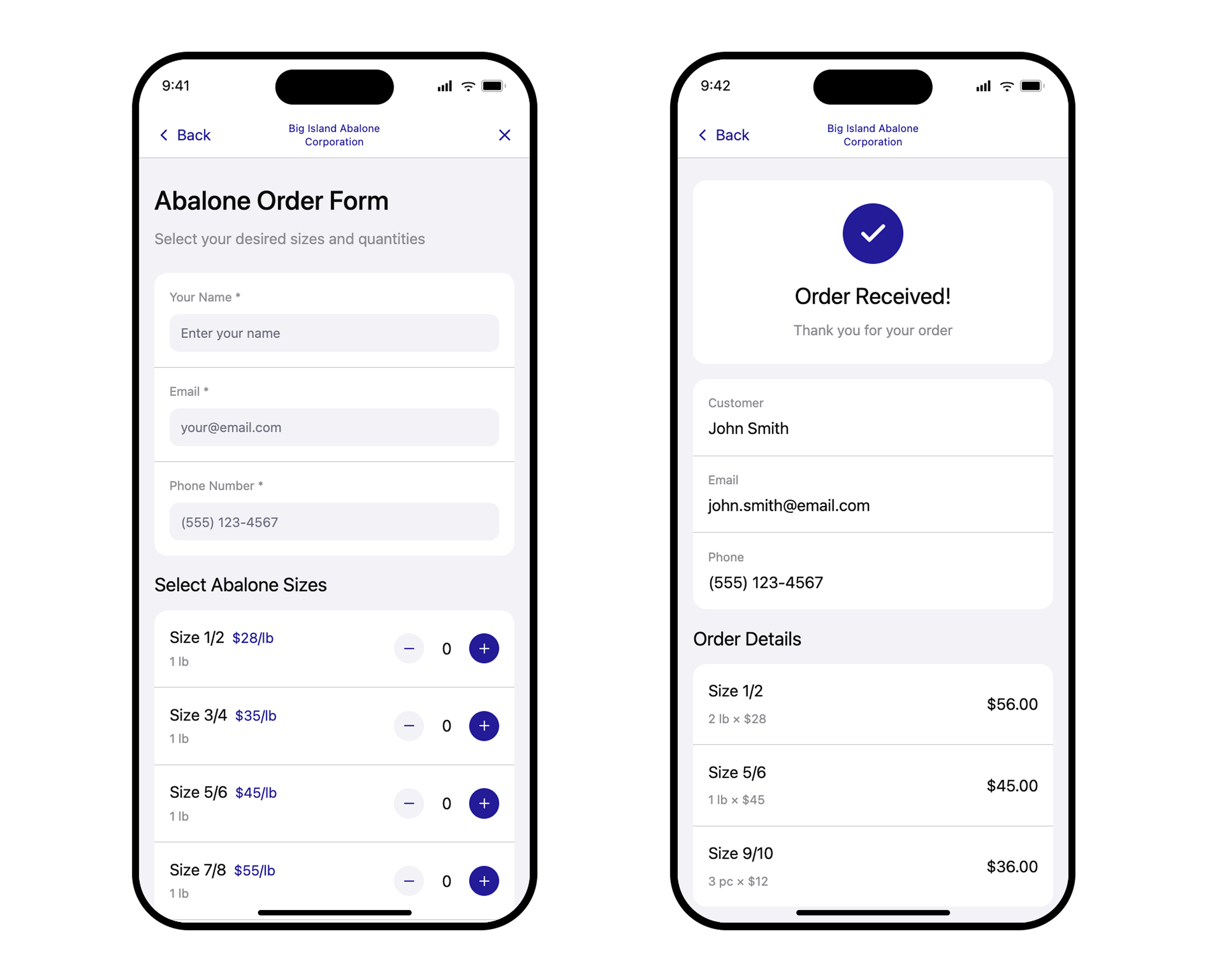
The ordering process was entirely manual. Customers called or emailed during business hours, staff re-entered everything by hand, and international buyers dealt with time zone friction on top of it. The administrative overhead was real and the customer experience was worse.
I defined the requirements, designed the workflow, and launched a multilingual online ordering platform built around the needs of international buyers. The form structure was simplified to reduce friction at the point of entry. Multilingual onboarding materials were built to drive adoption. The backend was structured to eliminate manual re-entry entirely.
It recovered more than 10 hours of administrative work per week and gave international clients around-the-clock access without any added overhead on the operations side.
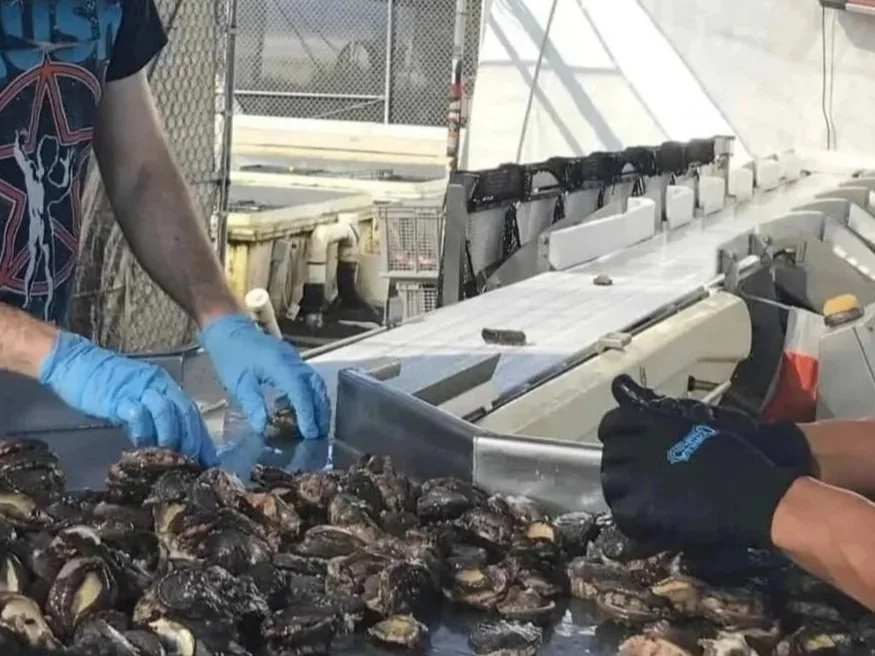
Unsellable abalone was sitting in tanks, taking up space that higher-margin inventory needed. It wasn't generating revenue and it was actively limiting production capacity.
I identified the opportunity, defined what it would take to act on it, selected and implemented the freezing equipment, designed the packaging and export process, and structured the operational workflow to run alongside existing production without disrupting it.
Within two months the new product line had generated $40K in revenue and freed up tank capacity for higher-margin stock.
PRODUCT 2: FROZEN PRODUCT LINE FROM WASTE INVENTORY
Saltwater corrosion was degrading the structural components of the fiberglass aquaculture tanks. Replacing them outright would have cost approximately $25K. The farm didn't have that kind of capital available.
I ran iterative design tests using recycled materials already on the farm, working through multiple reinforcement configurations until I found one that held up under operational stress. The criteria were simple: durable, cheap, and scalable across tanks without interrupting production.
It worked. The tanks held. The $25K stayed in the business.
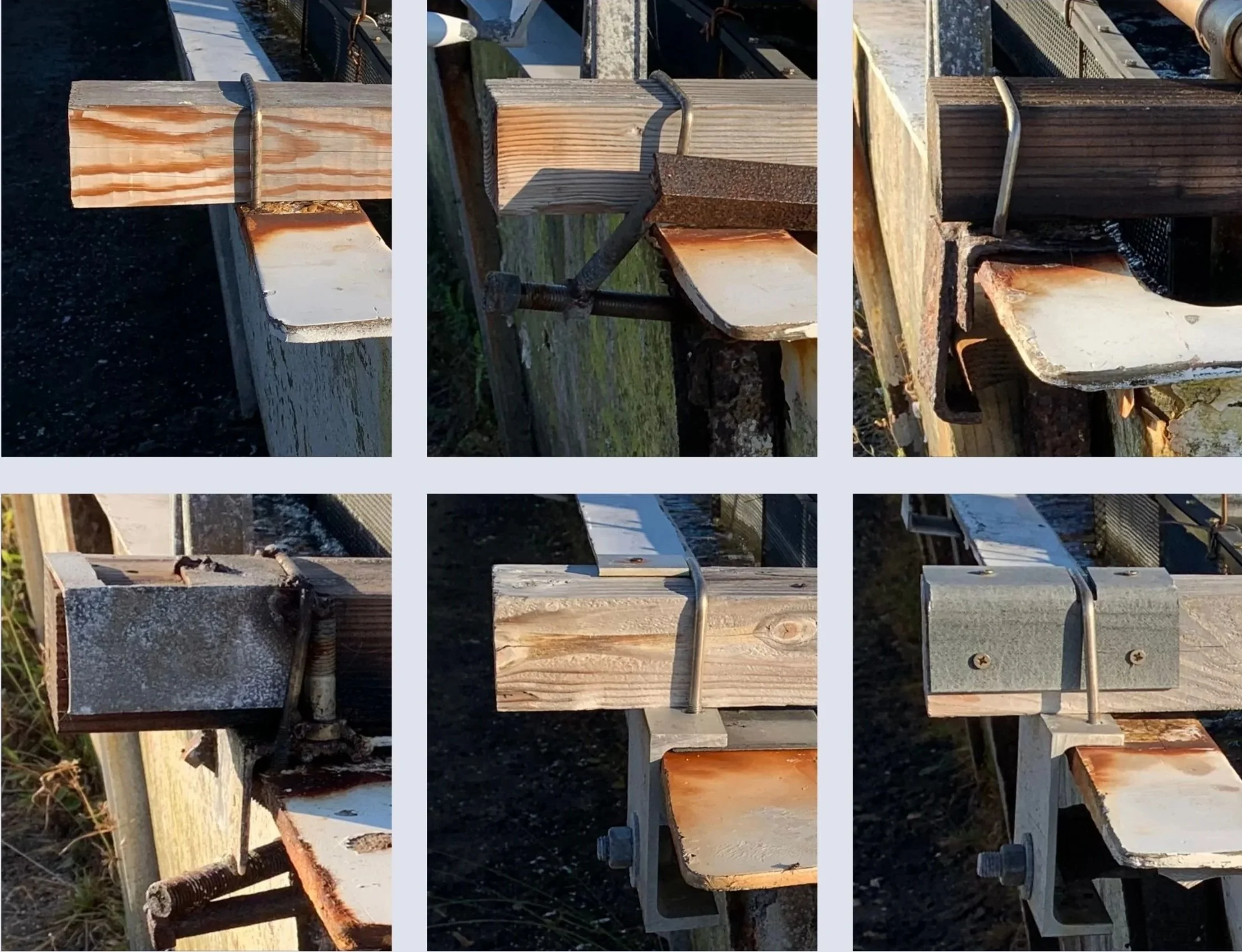
PRODUCT 3: TANK RETROFIT PROGRAM
WHAT THESE THREE THINGS HAVE IN COMMON
None of them had a budget, a roadmap, or a manager telling me what to build. Each one started with a visible problem and ended with a measurable result. That's the version of product thinking that transfers. Not the process, but the instinct underneath it.