Zeitview
2022 - Present
Renewable Energy SaaS · Utility-Scale Wind
I joined Zeitview in a Customer Success role serving Fortune 500 wind operators. Within six months I was embedded with the platform team, collaborating through Agile ceremonies. Within a year I was running my own user research and feeding structured tickets to the product team. By 2024, product leadership had formally endorsed my move onto the PM team.
That transition didn't happen. A leadership change restructured the org the same month. What follows is the product work I did anyway.
PRODUCT 1: INTERNAL TOWER INSPECTION
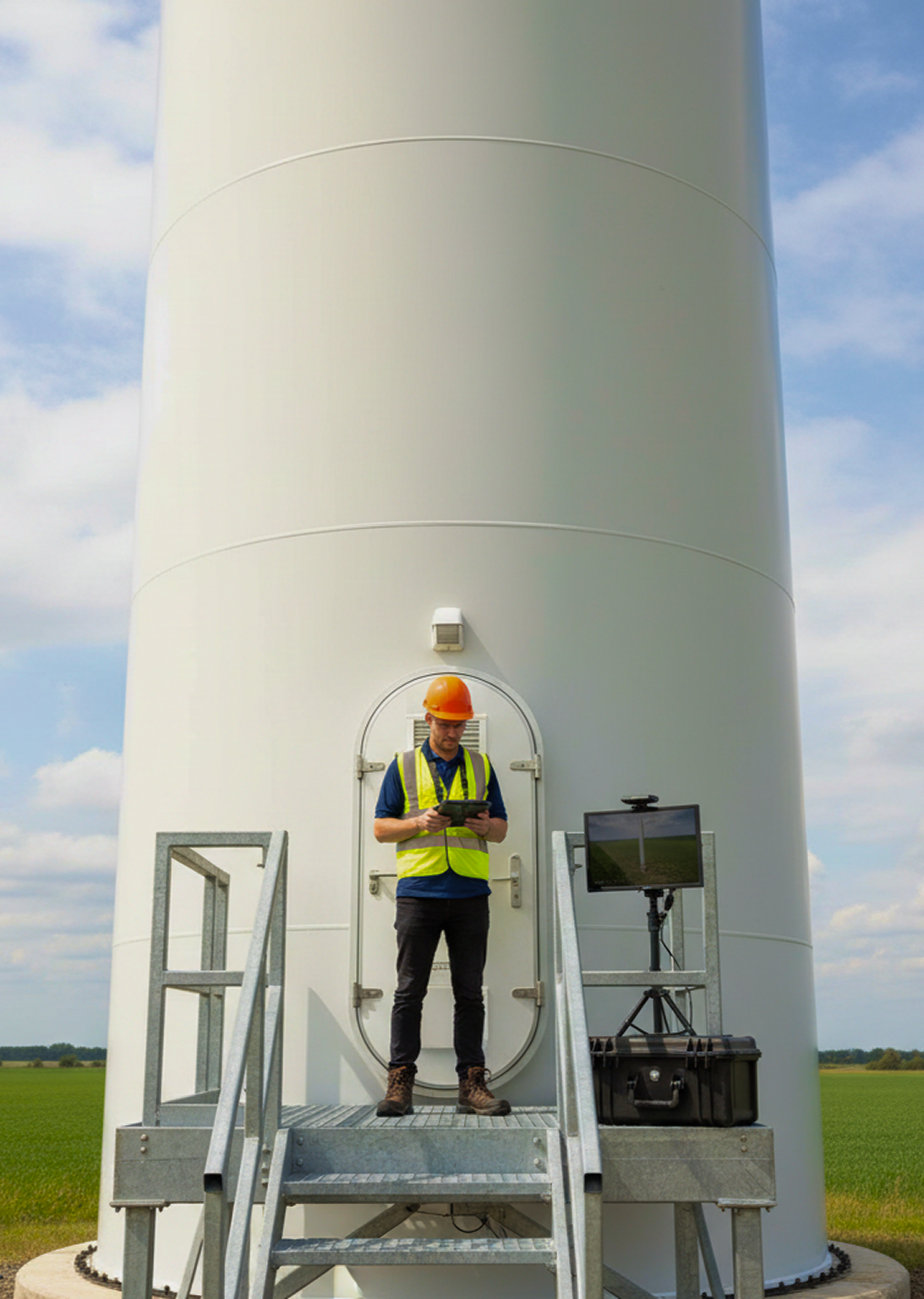
The problem came in as a safety request. A client needed imagery inside a wind turbine tower to assess whether personnel could safely approach the area. The space was inaccessible to humans due to noxious gases and smoke. They needed a solution fast.
No product like this existed at Zeitview or anywhere else in the industry.
I pulled together ops, engineering, and product to work through what was actually needed: the inspection requirements, what our platform could support, what the hardware constraints were, and where the risks were. The team identified that the right tool was a caged drone we didn't own and couldn't source internally.
From there I was connected to a vendor with the required hardware. I managed the full contracting cycle: submitted our terms, reviewed theirs, ran both through legal, handled redlines, got approval, then managed quotes and purchase orders through to close.
Once the vendor was contracted, I scoped the deliverables, defined what the client needed to see and in what format, and managed the project through to delivery.
The client used the inspection results to determine next steps for the asset. Those results were shared internally across their organization for that turbine model. Within the same engagement, they contracted four more inspections of the same kind.
PRODUCT 2: INTERNAL NACELLE INSPECTION
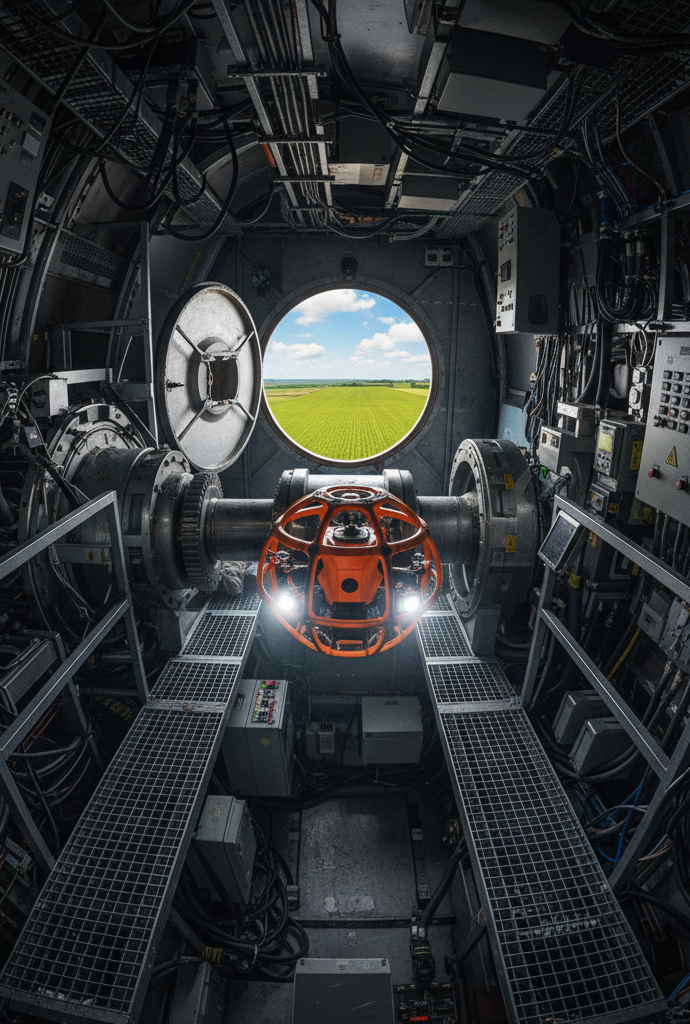
The same client came back. They needed to go deeper into the asset — this time into the nacelle, the housing at the top of the turbine that contains the generator and drivetrain. The inspection required the drone to travel farther into the structure on a single battery charge, with a real risk of losing hardware worth tens of thousands of dollars if anything went wrong.
Because the tower inspection had been built correctly, the second product moved fast. The vendor was already contracted. Legal had already signed off. The hardware and personnel were in place. What remained was scoping, scheduling, and delivery.
That's what good first-product decisions buy you on the second one.
Following both inspections, the client contracted an additional dozen pointed inspections across their fleet. The results continue to inform how they manage and assess that class of asset.
After a blade failure at a utility-scale wind site, a client needed to know exactly how much of the broken blade was still hanging above the turbine. The stub length determined whether personnel could safely approach, what equipment was needed for repair, and how to structure the insurance claim.
A delivery commitment had already been made. No internal methodology existed to produce this output consistently.
I convened a cross-functional meeting across ops, engineering, and product to get everyone looking at the same problem at the same time. We defined what the client actually needed, what our aerial data could support, and what a repeatable output would look like. That alignment meeting turned an ambiguous commitment into a scoped, executable deliverable.
The result was a standardized measurement methodology that converted a one-off emergency request into a defined product capability.
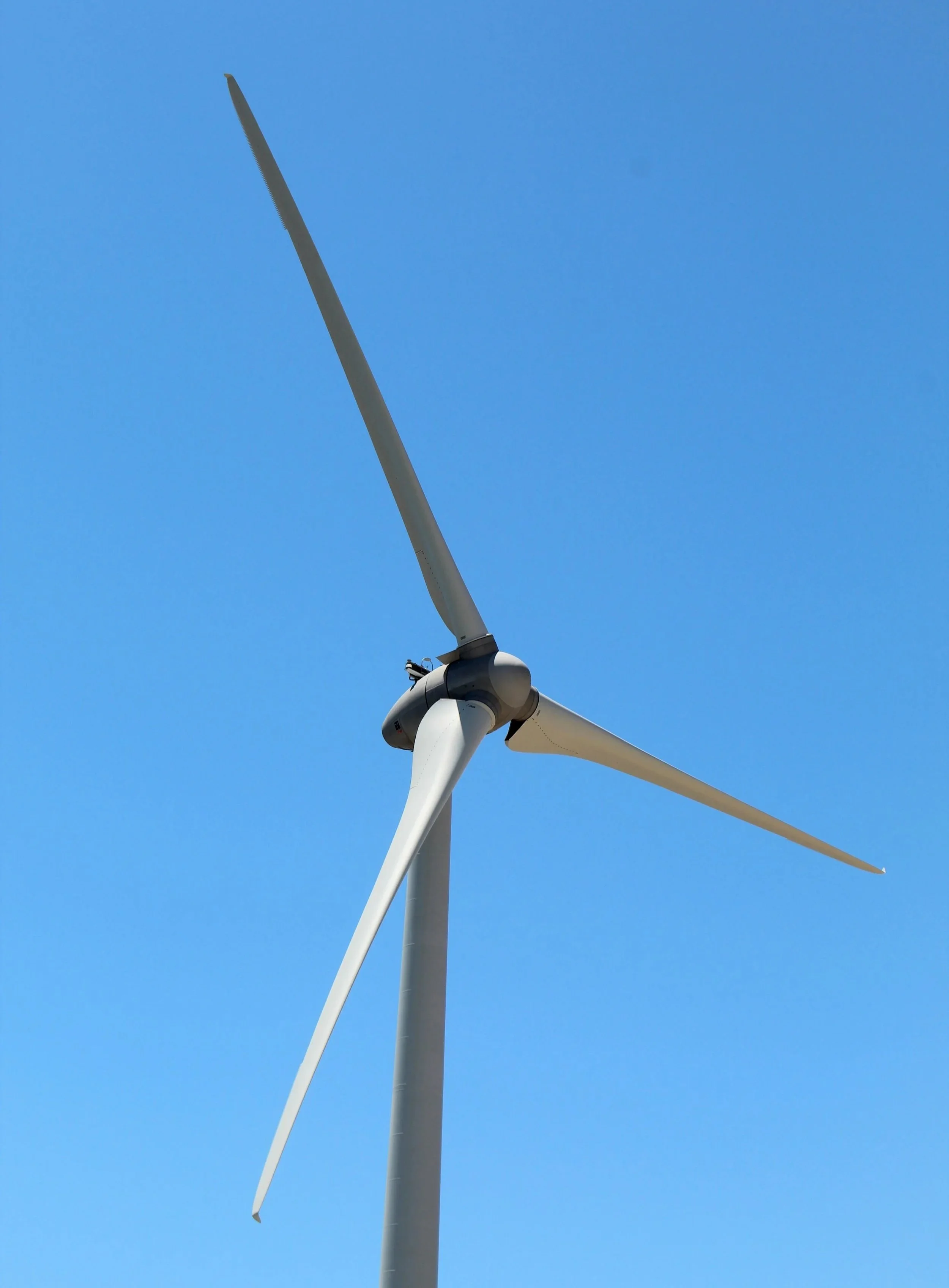
PRODUCT 3: BROKEN BLADE LENGTH ESTIMATION
Photo by francisco camino gonzalez on Unsplash
OUTCOMES
What this work produced
12+ additional inspection contracts from a single client relationship, driven by results that got shared internally across their organization.
Two products that didn't exist in the industry before, built from client problem to contracted deliverable including hardware sourcing, vendor procurement, and legal.
A reusable vendor and legal framework that cut the time to launch the second product to a fraction of the first.
A repeatable blade estimation methodology that turned an emergency request into a standing capability.
20+ user interviews conducted across Zeitview's wind client base, feeding UI decisions, feature prioritization, and platform roadmap sequencing throughout.
What I was doing the whole time
Running user research. Writing tickets. Attending every sprint and PI planning session. Sitting in backlog refinement. Drafting user stories and acceptance criteria. Doing the job before it had a name on my badge.